
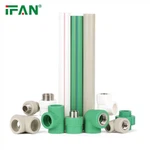
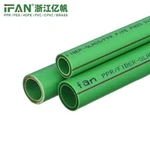

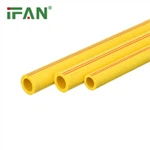

Manufacturing And Characteristics Of PEX Pipe.
The manufacturing process and the characteristics of PEX pipe are essential aspects to consider when discussing this type of plumbing material. PEX, which stands for cross-linked polyethylene, is a widely-used material in the plumbing industry due to its numerous advantages.
The manufacturing process of PEX pipe involves creating a chemical bond between the polymer chains, resulting in a durable and flexible material. The process typically starts with the extrusion of the PEX tube, where the raw material is heated and forced through a die to form the desired shape. The tube is then cross-linked using various methods such as electron beam radiation or chemical compounds. This cross-linking gives PEX its enhanced properties, including resistance to high temperatures and chemical degradation.
One of the notable characteristics of PEX pipe is its flexibility. The cross-linking process allows the pipe to bend and curve without the risk of cracking or breaking. This flexibility makes PEX an ideal choice for plumbing systems with complex layouts or areas where traditional rigid pipes would be challenging to install.
Another important characteristic of PEX pipe is its resistance to corrosion. Unlike metal pipes, PEX is not prone to rust or corrosion, making it a more durable and long-lasting option. Additionally, PEX pipes do not require any special coatings or linings to protect against corrosive substances, which simplifies the installation process.
PEX pipe also offers excellent thermal performance. It has a high resistance to extreme temperatures, both hot and cold. This property ensures that the pipe can withstand changes in temperature without becoming brittle or deforming. It is particularly advantageous in applications such as radiant heating systems, where the pipe is exposed to high-temperature water.
Furthermore, PEX pipe is known for its superior resistance to scaling and buildup. The smooth interior surface of the pipe prevents minerals and other deposits from adhering, reducing the risk of clogs and maintaining optimal flow rates over time.
In conclusion, the manufacturing process of PEX pipe involves cross-linking polyethylene to create a durable and flexible material. PEX pipe exhibits characteristics such as flexibility, corrosion resistance, thermal stability, and resistance to scaling. These characteristics make PEX a popular choice in plumbing applications, providing reliable and long-lasting performance.
Brand:IFAN
Size: 16-32mm inches
Sample: Free sample
 Manufacturing of PEX pipes.
PEX pipes are commonly made from HDPE, which serves as the main raw material. To ensure optimal performance, a variety of additives are incorporated into the manufacturing process, including cross-linking agents, initiators, and catalysts. Depending on the specific demands of the application at hand, other modifiers may also be included in the mix. These modifiers are selected based on their ability to further enhance the properties of the finished product in order to meet the required performance standards.
PEX pipes are made using state-of-the-art technology known as the MONSOIL method. This innovative method involves incorporating silane graft materials into regular polyethylene raw materials, which help form strong chemical covalent bonds between macromolecular polymer chains. The resulting product is a cross-linked polyethylene pipe with a 3D cross-linked network structure, exhibiting outstanding physical and chemical properties. The degree of cross-linking in PEX pipes ranges from 60% to 89%, which further enhances its durability and performance. Overall, PEX pipes are an excellent choice for any plumbing system due to their superior quality and reliability.
Antioxidants and color particles serve different purposes in the process of cross-linking agents. While the cross-linking agent breaks down the original linear molecular structure, it simultaneously forms a graft material. This graft material then undergoes a transformation, leading to the formation of a three-dimensional network structure. Antioxidants play a crucial role in preventing the oxidation of the cross-linked material, ensuring its stability and longevity. On the other hand, color particles are added to provide aesthetic appeal, giving the final product a desired color. Both antioxidants and color particles contribute significantly to the overall functionality and visual appeal of the cross-linked material.
To enhance the durability of PEX pipes, it is essential to enhance their resistance to corrosion and prolonged exposure to sunlight. By doing so, we can prevent any physical changes from occurring and ensure that the pipes retain their structural integrity. Furthermore, it is crucial to develop a material that can withstand prolonged erosion by ultraviolet rays, thus extending the pipes' useful life. With such improvements, PEX pipes will continue to serve their intended purpose without any significant setbacks, ensuring seamless operations for many years to come.

PEX Pipe Features
With exceptional resistance to extreme temperatures, this material boasts impressive thermal stability when subjected to high levels of heat and cold.
2. Excellent toughness at low temperatures.
3. Does not melt when heated.
PEX pipes exhibit exceptional resistance to creep, making them stand out among other plastic pipes. Their creep characteristics are considered nearly perfect, surpassing those of common plastic pipes.
The PEX pipe has been tested thoroughly, with results showing that it can endure a temperature of 110°C, a ring stress of 2.5 MPa, and a 8760-hour duration period. Based on this data, it can be inferred that the pipe has a lifespan of 50 years when operating continuously at 70°C. In short, the PEX pipe offers semi-permanent service, ensuring a reliable and efficient plumbing solution for decades to come.
Hot Tags: manufacturing and characteristics of pex pipe., China manufacturing and characteristics of pex pipe. manufacturers, suppliers, factory
Previous
PERT Floor Heating PipeYou Might Also Like


Send Inquiry